 Biz mastery pro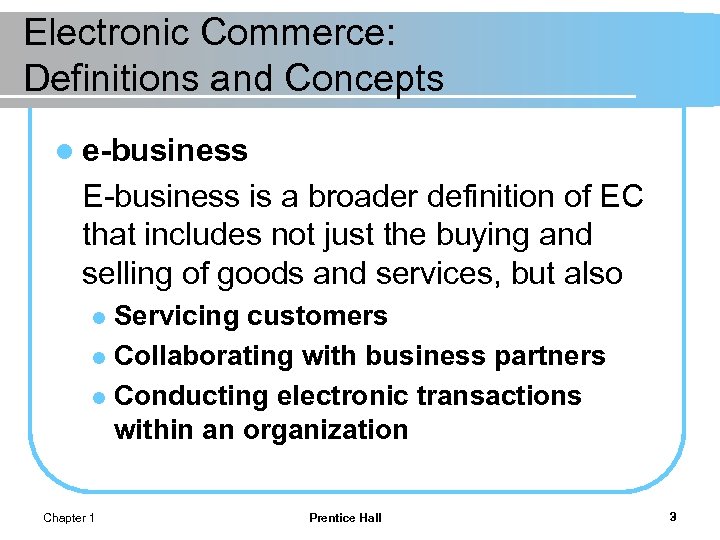
Contents
The Evolution of E-Business
In today’s digital age, the terms e-business and e-commerce are often used interchangeably. However, e-business is a broader concept that encompasses more than just online shopping. While e-commerce refers specifically to the buying and selling of products or services over the internet, e-business includes a wider range of activities that involve the use of technology to streamline business processes and improve overall efficiency.
Understanding E-Commerce
E-commerce, as the name suggests, focuses primarily on online transactions. It involves the buying and selling of goods or services through an electronic platform, such as a website or mobile app. This form of business has gained immense popularity in recent years due to its convenience and accessibility. Online marketplaces like Amazon and eBay have revolutionized the way we shop, making it possible to order products from the comfort of our homes and have them delivered right to our doorstep.
The Scope of E-Business
While e-commerce is a vital component of e-business, the latter encompasses much more. E-business includes not only the buying and selling of products but also other activities such as online marketing, customer relationship management, supply chain management, and electronic data interchange. It involves the integration of various technologies to streamline business operations and enhance overall productivity.
The Benefits of E-Business
One of the key advantages of e-business is its ability to reach a global audience. Unlike traditional brick-and-mortar stores, which are limited by geographical boundaries, e-businesses can cater to customers from all around the world. This opens up a world of opportunities and allows businesses to expand their reach and customer base.
E-business also offers greater convenience and flexibility for both businesses and customers. With e-commerce, customers can shop at any time of the day or night, from anywhere in the world. This eliminates the need to visit physical stores and allows for a seamless shopping experience. For businesses, e-business provides the flexibility to operate 24/7 without the need for a physical presence.
Another benefit of e-business is the ability to gather and analyze data. With the help of advanced analytics tools, businesses can gain valuable insights into customer behavior, preferences, and trends. This data can be used to make informed business decisions, personalize marketing campaigns, and improve overall customer satisfaction.
The Future of E-Business
As technology continues to advance, the scope of e-business is only expected to grow. The rise of artificial intelligence, virtual reality, and blockchain technology are revolutionizing the way businesses operate. E-businesses can leverage these technologies to enhance customer experiences, optimize supply chains, and automate routine tasks.
In conclusion, e-business is a broader concept than e-commerce. While e-commerce focuses on online transactions, e-business encompasses a wider range of activities that involve the use of technology to streamline business processes. With its numerous benefits and endless possibilities, e-business is undoubtedly the way forward for businesses in the digital age.